
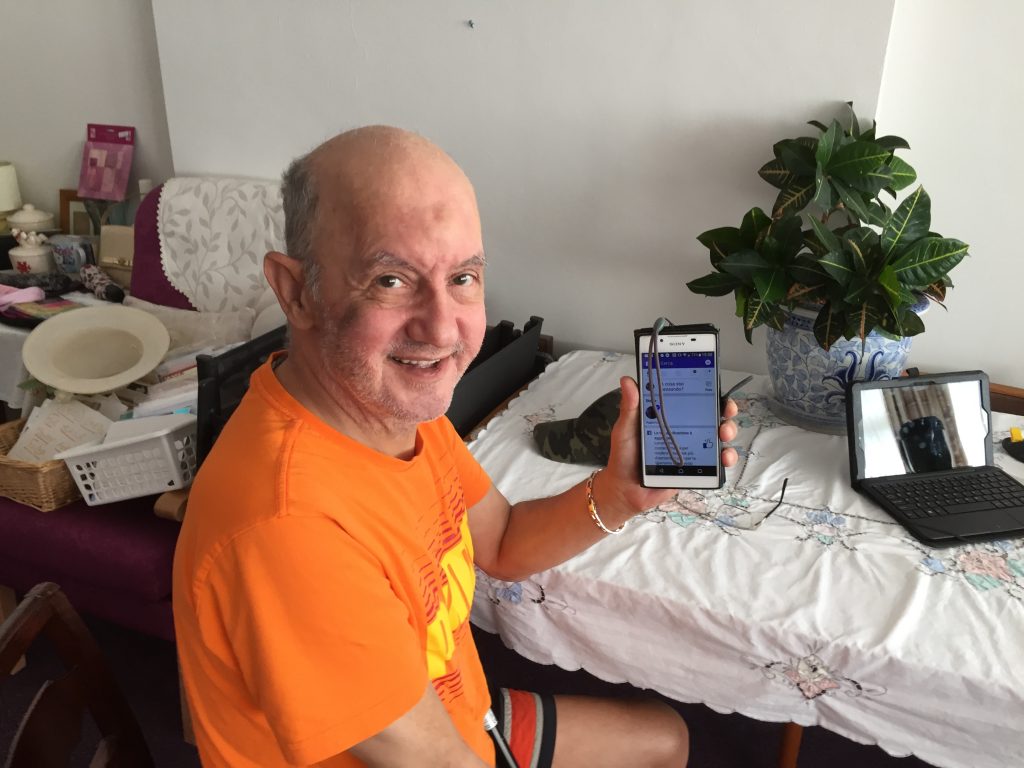
Covid-19 and the digital divide 50-70yr olds
How did the pandemic effect the digital experiences of older adults (50-70) and organisations supporting them?
Covid-19 and the digital divide 50-70yr olds Read Post »
How did the pandemic effect the digital experiences of older adults (50-70) and organisations supporting them?
Covid-19 and the digital divide 50-70yr olds Read Post »
Tech4Teachers white paper based on the innovative ‘proof of concept’ project to provide teachers with laptops and digital skills.
Tech4Teachers White Paper Read Post »

Prepared by Deloitte for the DPA, this report will help improve the wider public’s understanding of digital poverty.

Ofcom regularly monitors people’s experience of communications services. This summary sets out the findings from our latest research into the affordability of home broadband, mobile phone, landline and pay-TV services.
Ofcom communications affordability tracker Read Post »
Research on the key barriers and enablers that businesses have when looking at the end-of-life of their IT equipment.
Circular electronics for social good: Reusing IT equipment to bridge the digital divide Read Post »

How can we include vulnerable populations in the digital domain and make sense of their cultural and social specificities?

The Digital Cooperation Organization (DCO) launched the Bridging the Gap Report, highlighting the need for greater international, multilateral cooperation to close the digital divide and ensure all nations can benefit from digital economies.
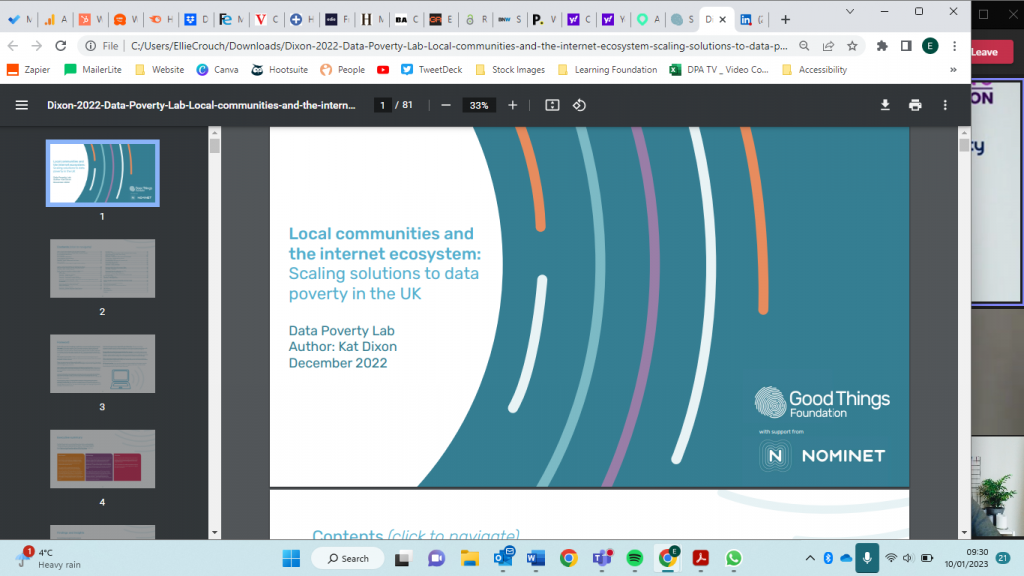
Written by Data Poverty Lab Fellow, Kat Dixon, this report invites us to question the internet’s role in society, the potential for future technologies, and the necessity of community design of the web.

This report aims to give the first state of the nation perspective on data poverty and what needs to be done to eradicate it in the UK.
Data Poverty APPG State of the Nation report Read Post »
There are many benefits of digital transformation including the flexibility it gives us to interact with residents and colleagues. We have seen the way in which hybrid and virtual meetings have enabled us to meet with fellow councillors and the public from across the country, without time consuming and environmentally impactful travel, allowing for critical decision making to be made democratically and without delay during times of emergency.
Building Mobile Britain: The Case for Local Authority Digital Champions Read Post »

Too many people still lack the technology or skills they need to live in today’s online world. This is leading to a widening divide in society, exacerbated by our reliance on digital technology during the pandemic.
Bridging the Divide shows that, while more people are online now than before the pandemic, 1.5 million households are still not connected to the internet at all, and 29 per cent of adults have very low digital engagement – barely using internet devices, email or online shopping and banking. Some groups are much more likely to be digitally excluded than others, including older people, disabled people and people on low incomes.
Bridging the Divide: Tackling Digital Inequality in a Post-Pandemic World Read Post »

The 2022 Accenture Digital Index reveals positives and pitfalls in digital interactions that have accelerated since the start of the pandemic
Towards a digital society Read Post »